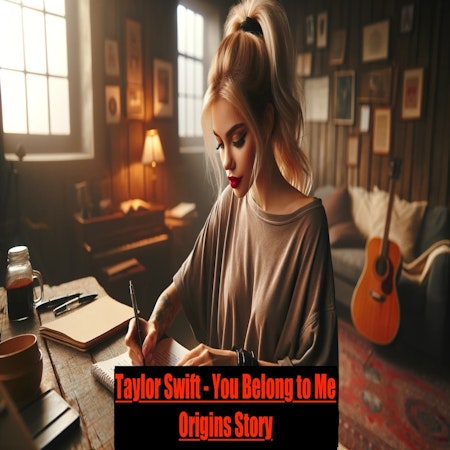
Taylor Swift - You Belong To Me - Ori...
How Taylor Swift’s “You Belong With Me” Gave Voice to Outsiders
Long before amassing legions of devotees as the defining voice of her generation, Taylor Swift found breakout success in 2008 with her sophomore single “You Belong With Me”. The deceptively simple lyrics, catchy hooks, and playful storyline music video all coalesced into winning pop formula topping charts that summer. But beneath that glossy production, Swift’s earnest performance tapped into resonant experiences of outsider yearning and unrequited pining familiar to many young listeners entering adolescence.
In speaking to nearly universal vulnerabilities around identity, acceptance and school-aged crush dynamics through “You Belong With Me’s” intimate specificity, Swift captured lightning in a bottle even early on. The song established her enduring ability to crystallize intimacies of youthful life phases for fledgling fans alongside nostalgic older audiences alike. For all its bubblegum romance surface charm, “You Belong With Me” communicated solidarity with important self-actualization insights that still reverberate widely.
Indeed, Swift sells the track’s emotional intimacy immediately through the opening verse immersed in the misfit perspective. She describes watching her love interest’s turbulent relationship drama unfold from next door as a confidant privy to private anxieties he shares that his flashy girlfriend never could understand. Through this dynamic, Swift allows room to empathize too with pretty popular counterparts and relationship participants alike, declining easy villain tropes. She suspects their bond frays from vastly differing priorities, not cruelty - promising he could relax were he to date her instead.
When the insistent chorus hook lands pleading “you belong with me”, Swift strikes pop gold by capturing the breathless thrill of unspoken attraction many sheltered young listeners might be discovering firsthand too. The sentiment voids any bitterness with its swooning conviction that fate has destined her to wait patiently to become his partner. She upholds heroic faith unlocking requited love simply involves her bullied admirer seeing their compatibility clearly at last.
Swift satisfyingly enacts that fantasy played out in the song’s iconic music video that sees her as a bookish outsider pining after the football captain next door, eventually winning him over through friendship. By literally donning the prom queen’s glasses and gown to prove her everywoman relatability, Swift models hope for all shy wallflowers nursing secret crushes on unattainable class superlatives.
In speaking to nearly formative adolescent experiences like unspoken connections with crushes through the shorthand of high school tropes rather than reinventing songwriting tenets, Swift sourced the resonant vein of historical artistic tradition updated for modern teens. So much Top 40 radio fixated narrowly on either sexualized excess out of listeners’ reach or glossy fantasy depicting
This content was created in partnership and with the help of Artificial Intelligence AI.
1
Swifties Believe in "Tortured Poets Department'
4 min
2
Taylor Swift is now a Billionaire
7 min
3
Travis and Taylor Dine in Style
5 min
4
T and T Make Surprise Appearance at Madonna's O...
6 min
5
Swifties and Taylor's Guitar Save The Day!
2 min
6
Taylor Swift Overwhelming Australian Tour Stops
2 min
7
Cruel Summer"-Stays at The Top!
4 min
8
Taylor and Queen Bey Rumors
3 min
9
Taylor Swift - You Belong to Me - Orgins Story
9 min